Is Brainspotting Right for You? Insights from Trauma Therapists
When you think about therapy, you likely picture "talk therapy"sitting on a couch and processing your thoughts through conversation. But for many survivors of trauma, words often feel insufficient. Sometimes, the pain is stored in a place where language can’t reach.
This is where Brainspotting (BSP) comes in. Developed by Dr. David Grand in 2003, this neurobiological tool is rapidly gaining traction in the world of psychology. But is it the right fit for your healing journey? We’ve gathered insights from trauma experts to help you understand the science, the process, and the potential.
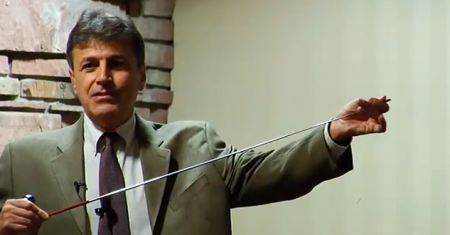
What Exactly is Brainspotting?
Brainspotting is based on the premise that "where you look affects how you feel." Unlike traditional cognitive therapies that focus on the "top-down" (using the thinking brain to manage emotions), Brainspotting is a "bottom-up" therapy. It aims to access the subcortical brain the area responsible for motion, consciousness, and survival instincts where traumatic memories are often "stuck."
The Science of the "Brainspot"
A "Brainspot" is an eye position that correlates with a physiological capsule of traumatic experience in the brain. When a therapist helps you find this spot, it triggers a deep processing of the nervous system, allowing the brain to "reset" itself.

Alice (XiaoRan) Zhao and Safe Space Counseling Services in Maryland
Finding a practitioner who is not only trained but deeply attuned to this modality is key. At Safe Space Counseling Services in Maryland, Alice (XiaoRan) Zhao, LCPC, stands out as a leading expert in this field.
As the founder of the practice and a Certified Brainspotter, Alice integrates Brainspotting into her trauma-informed care to help clients reach the "next level" of healing. Her approach is particularly effective for:
Deep-Seated Trauma: Helping clients who have felt "trapped" by their past.
Cultural Sensitivity: Bridging the gap between modern neurobiological techniques and culturally sensitive care.
Complex Patterns: Combining Brainspotting with Parts Work to resolve adult issues that stem from childhood wounds.
Alice and her team provide a safe, nurturing environment both online and in their Hunt Valley, MD office—designed specifically for those who feel that verbal processing has reached its limit.
How It Works: The Therapist’s Perspective
Trauma therapists describe Brainspotting as a focused, mindful version of "scanning" the internal landscape. Here is what a typical session might look like:
Identification: You identify a specific issue, feeling, or physical sensation you want to work on.
Activation: You "tune in" to how that issue feels in your body.
Finding the Spot: Using a pointer, the therapist guides your eyes until you find a point that correlates with your internal reaction.
Processing: You hold your gaze on that spot. This allows the brain to begin its natural self-healing process, often leading to sudden insights.

Is Brainspotting Right for You?
While Brainspotting is highly effective for many, it’s helpful to see if your specific needs align with this modality.
It Might Be a Good Fit If:
You feel "stuck" in talk therapy: If you’ve talked about your trauma for years but the physical symptoms remain, Brainspotting can bypass the verbal loop.
You struggle with PTSD or C-PTSD: It is specifically designed to process deep seated trauma that lives in the nervous system.
You experience "Brain Fog" or dissociation: Because it works with the midbrain, it can help ground people who feel disconnected.
You want to enhance performance: Many athletes and artists use it to clear "blocks."
You Might Prefer a Different Approach If:
You are currently in an active crisis or unstable living situation.
You prefer a highly structured, homework-heavy approach (like CBT).
Brainspotting vs. EMDR: Key Differences
While both are "bi-lateral" therapies used for trauma, they function differently in practice:
Movement vs. Stillness: EMDR generally involves rapid, rhythmic eye movements. Brainspotting focuses on a fixed, sustained gaze.
Structure vs. Fluidity: EMDR follows a strict, 8-phase protocol. Brainspotting is more organic and flexible, following the client’s internal processing in real-time.
Cognitive vs. Physical: EMDR often incorporates specific cognitive shifts. Brainspotting focuses almost entirely on the "felt sense" in the body.
The Path Forward
Deciding on a therapy type is a personal choice. The most important factor in the success of Brainspotting isn't just the technique it’s the therapeutic relationship you have with your provider.
If you feel your body is holding onto experiences that your mind can't quite resolve, Brainspotting may be the key to unlocking that door.