
The Silent Burden of Being a First-Gen Indian-American: Anxiety, Guilt, and Finding Your Voice
You were the dream your parents carried across oceans. The living proof that the sacrifice was worth it. And from a very young age, you understood without anyone saying it out loud that you could not afford to fail.
Being a first-generation Indian-American is a profound privilege. It is also an extraordinary weight. And for many, that weight quietly becomes anxiety, perfectionism, and a deep, persistent guilt that never fully goes away.
The Unique Pressure of Being 'The Bridge'
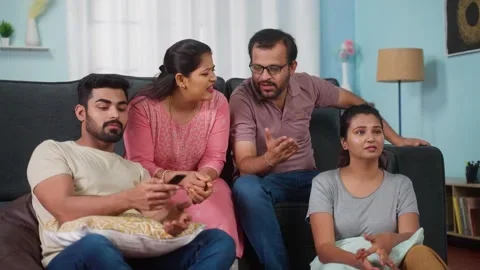
First-gen South Asians often describe feeling like a bridge between two worlds responsible for honoring everything their parents gave up, while also building a life that feels authentically their own. This is an emotionally complex position that therapy rarely addresses well unless the therapist already understands it.
The pressure shows up in recognizable ways:
• Academic and career anxiety: the panic of not being the best
• Guilt around personal choices: relationships, lifestyle, identity
• Difficulty setting boundaries with parents without feeling selfish
• Impostor syndrome at work, in American social settings, or both
• A chronic background hum of 'am I doing enough?'
Why Standard Therapy Often Misses the Mark
General anxiety therapy is helpful but it often misses the cultural context that shapes how South Asian individuals experience stress. A therapist who doesn't understand filial piety may frame your closeness to your parents as 'codependence.' One unfamiliar with the immigrant experience may not grasp why disappointing your family feels like an existential threat, not just a minor conflict.
This is why culturally informed therapy matters and why it changes outcomes.
Individual Therapy at Safe Space: Built for Your Experience
Our individual therapy program at Safe Space Counseling Services in Maryland is designed for exactly this. Whether you're dealing with anxiety, burnout, self-esteem challenges, or the quiet grief of feeling like you don't fully belong anywhere, we meet you where you are.
Our South Asian therapists don't just understand your experience academically they have lived versions of it. Sessions are available in Hindi and English, online and in-person in Hunt Valley, Maryland.
Finding Your Voice

Therapy won't erase your love for your family or your culture. What it can do is help you build a relationship with yourself that is as strong as the one you've maintained with everyone else's expectations. You deserve to be a full person not just a role.