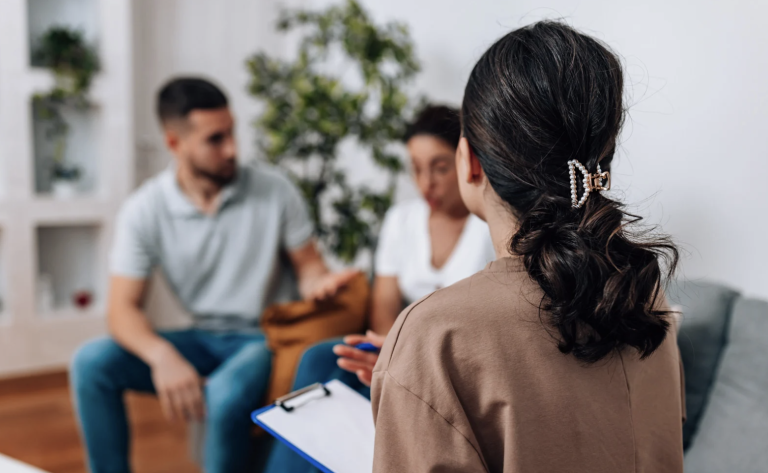
Trauma Nahi Dikhta: Why South Asian Women Carry Invisible Wounds (And How Brainspotting Helps)
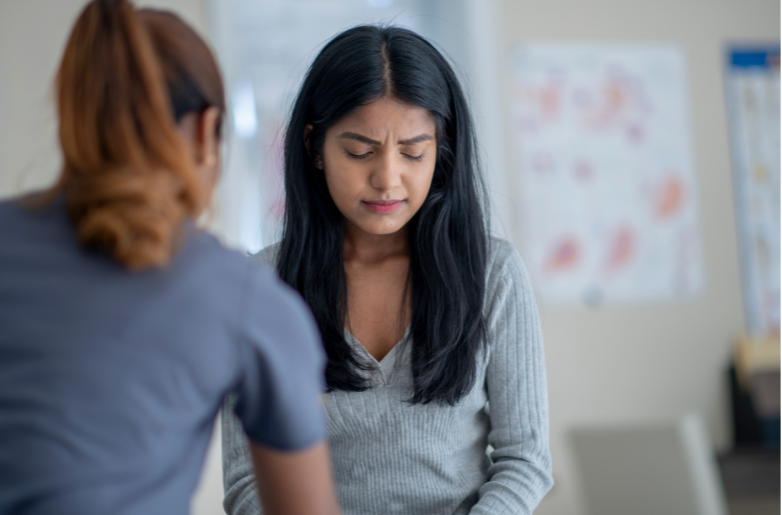
'Trauma nahi dikhta' — trauma isn't visible. And for South Asian women in particular, it is often invisible by design.
From childhood, many South Asian women are shaped to be strong, self-sacrificing, and emotionally contained. You hold the family together. You manage everyone else's feelings. You smile at the dinner table when you are falling apart inside. And somewhere along the way, you learn to stop noticing your own pain — because there was never space for it.
What 'Invisible' Trauma Looks Like
Trauma in South Asian women rarely looks like what we see in movies. It is not always a single dramatic event. It is often the accumulated weight of:
• Years of emotional suppression and feeling unseen within the family
• Childhood experiences where your needs were consistently secondary
• Navigating racism, microaggressions, or xenophobia in American spaces
• Relationships — marriages or family dynamics — where you weren't safe to speak
• Carrying immigration grief: the loss of home, community, and belonging
Over time, this kind of chronic, relational trauma lives in the body — as chronic tension, fatigue, emotional numbness, or anxiety that won't explain itself.
Why Talk Therapy Alone Isn't Always Enough
Traditional talk therapy is valuable — but it accesses the brain primarily through language and conscious thought. For trauma that is held in the body, that has been buried beneath years of silence and survival, words sometimes can't reach it.
This is where Brainspotting (BSP) comes in.
What Is Brainspotting?
Brainspotting is a powerful, evidence-based therapy that works by identifying specific eye positions ('brainspots') that correspond to where trauma is stored in the subcortical brain. It allows clients to process deep emotional pain — including pain that was never consciously verbalized — at a neurological level.
For South Asian women who have been conditioned to be articulate, composed, and explanatory about their emotions, BSP offers something rare: a way to heal that doesn't require you to explain everything. You are simply held in a safe space while your brain does what it needs to do.
Brainspotting at Safe Space Counseling
Our lead therapist Alice (XiaoRan) Zhao, LCPC, is a certified Brainspotting practitioner with deep experience in trauma-informed care. She and our broader team understand the specific cultural context that shapes how South Asian women experience and suppress trauma.
Sessions are available in-person in Hunt Valley, Maryland, and online across the state. You do not need to have your story perfectly organized to begin. You just need to show up.
You Have Been Strong Enough for Everyone Else
It is time to be strong for yourself — and strength, here, looks like rest. Like allowing. Like finally letting someone hold some of the weight with you.