What Is Brainspotting — And Why It Works So Well for Asian Clients Who Were Taught to Bury Emotions
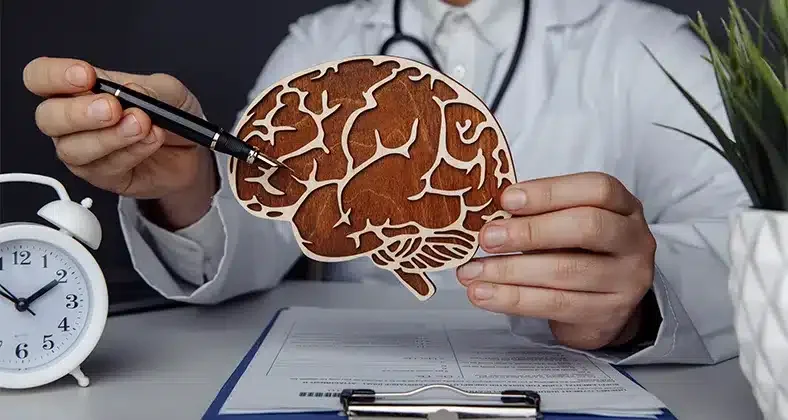
In many Asian households, emotions are not discussed they are managed. You learn early that composure is a virtue, that vulnerability is risk, and that the right way to handle pain is to push through it quietly. For decades, this may have kept you functional. But it also may have kept healing just out of reach.
Brainspotting (BSP) is a therapy that works precisely for people who have been taught to bury their emotional world because it doesn't require you to verbalize what you feel. It works beneath the surface, at the neurological level where stored trauma actually lives.
How Brainspotting Works
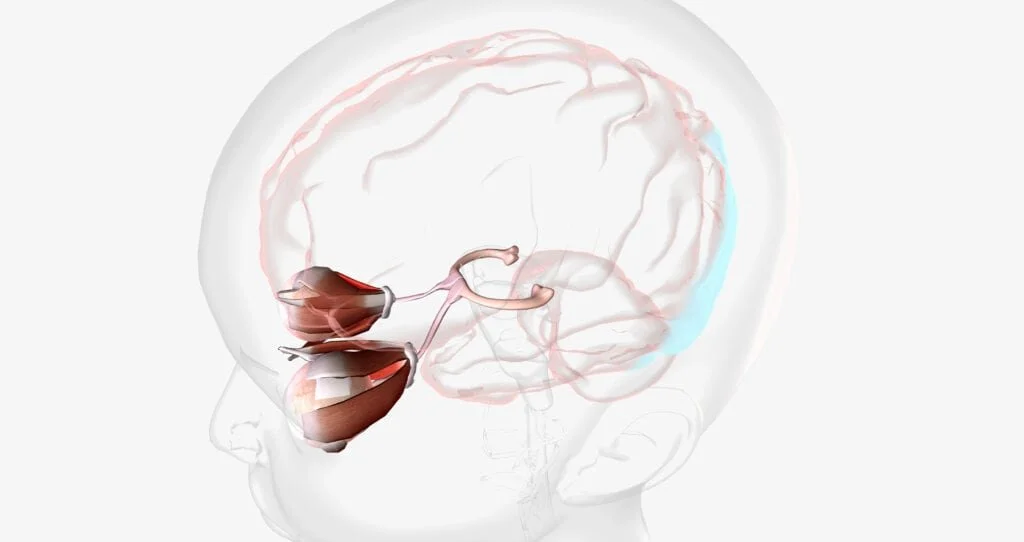
Developed by Dr. David Grand in 2003, Brainspotting is built on a simple but profound insight: where you look affects how you feel. Specific eye positions called 'brainspots' are correlated with stored emotional and somatic (body-based) experiences in the subcortical brain.
In a BSP session, your therapist guides your gaze to identify a brainspot connected to a distressing experience. From there, while you hold that gaze position, your brain begins to naturally process and release the stored material. You don't need to narrate your trauma. You don't need to relive it in detail. You simply sit, supported, while your nervous system does the healing work it was always designed to do.
Why It's Especially Effective for Asian Clients
For clients from Asian cultural backgrounds Chinese, South Asian, Southeast Asian, and others traditional talk therapy can feel like it demands something unfamiliar: constant emotional articulation, self-disclosure, and vulnerability in a structured conversational format.
Brainspotting removes this barrier. It meets clients in the body, not just the mind. Clients who struggled to 'find the words' in talk therapy often describe dramatic breakthroughs in BSP processing grief, anxiety, and intergenerational trauma in ways they never expected.
What BSP Treats at Safe Space
At Safe Space Counseling Services in Maryland, our certified BSP practitioner Alice (XiaoRan) Zhao, LCPC, uses Brainspotting to treat:
• Trauma and PTSD — including immigration trauma and childhood wounds
• Anxiety and depression that hasn't responded to talk therapy alone
• Performance anxiety around career, academics, or family expectations
• Grief and loss — including cultural grief of leaving home
• Emotional numbness and difficulty connecting with feelings
What a Session Feels Like
Many clients describe Brainspotting sessions as deeply calming even when processing difficult material. There is no pressure to perform, explain, or achieve insight. Some sessions involve lots of internal imagery and sensation; others feel more neutral. Your therapist remains attuned and present throughout.
Sessions are available in Mandarin, Hindi, and English online and in-person in Hunt Valley, Maryland.