
ADHD in Adults: Why It’s Often Missed and How Therapy Can Help
When most people picture ADHD, they picture a hyperactive child bouncing off the walls in a classroom. But ADHD doesn’t disappear in adulthood it just looks different, and that’s exactly why so many adults go undiagnosed for years, sometimes decades.
Why Adult ADHD Gets Missed
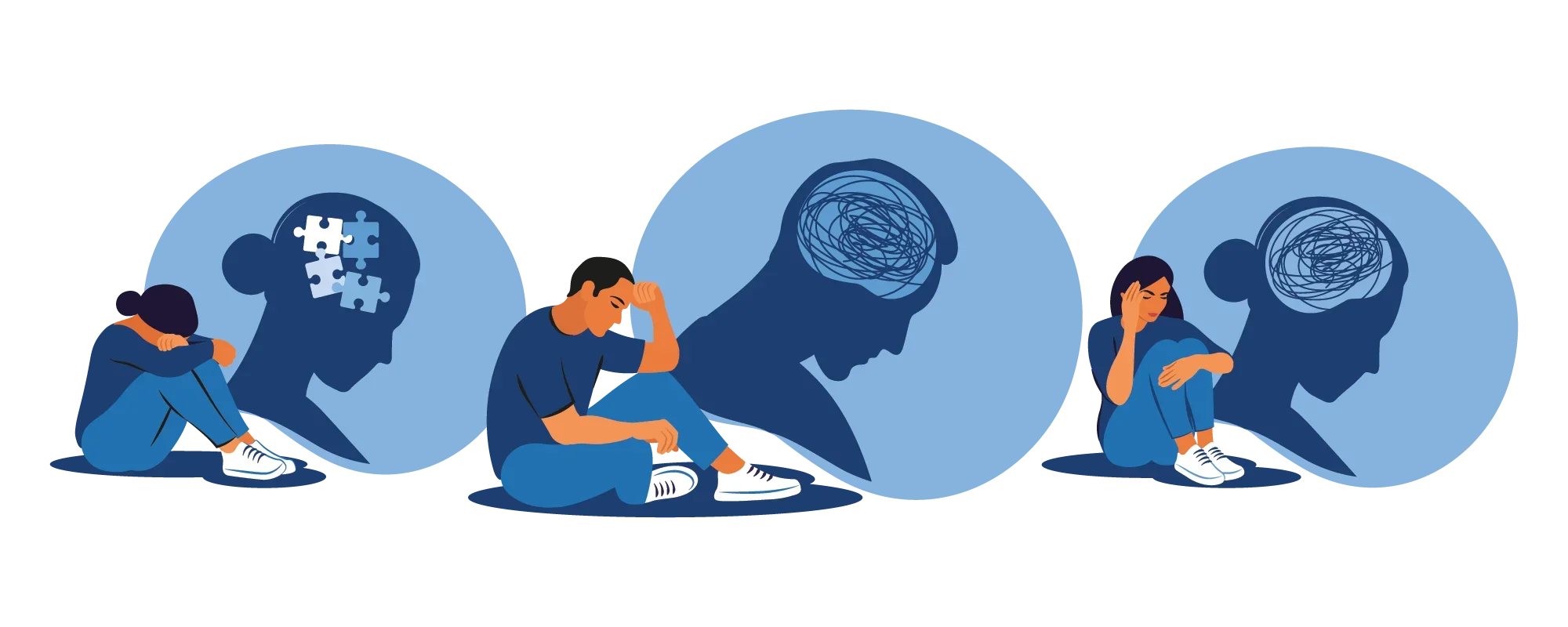
ADHD in adults often shows up as internal restlessness rather than visible hyperactivity. Instead of “can’t sit still, ” it looks like:
Chronic difficulty focusing on tasks that aren’t immediately interesting
Losing track of time, appointments, or deadlines
Starting projects with enthusiasm and abandoning them halfway through
Feeling mentally “scattered” or overwhelmed by everyday responsibilities
Emotional sensitivity or quick frustration
A lifelong sense of underachieving relative to your actual abilities
Because these symptoms can overlap with anxiety, depression, or simply “being disorganized, ”ADHD is frequently misdiagnosed or missed altogether especially in adults who developed strong coping strategies over the years, masking the underlying struggle.
The Cost of an Undiagnosed ADHD Brain
Living with undiagnosed ADHD often means a long history of self-blame. Many adults describe feeling like they’re working twice as hard as everyone else just to keep up, or that they should be able to “just try harder.” Over time, this can lead to low self-esteem, chronic stress, and strained relationships or work performance, not because of a lack of effort, but because of a brain that’s wired differently and hasn’t been given the right support.
How Therapy and Diagnosis Can Help

Getting an accurate diagnosis is often the first turning point. It reframes years of struggle not as a personal failing, but as a treatable, understandable condition. From there, therapy can help in several ways:
Building practical systems. A therapist can help you develop routines, organizational tools, and strategies tailored to how your brain actually works, not generic productivity advice that assumes a neurotypical brain.
Addressing the emotional impact. Years of feeling “not enough” take a toll. Therapy provides space to process that history and rebuild self-compassion.
Managing co-occurring anxiety or depression. ADHD frequently travels with anxiety or low mood, and treating all of it together rather than just the most visible symptom leads to better outcomes.
Improving relationships. ADHD can affect communication, follow-through, and emotional regulation in relationships. Therapy can help partners and family members understand what’s happening and work through it together.
You’re Not Lazy — You’re Wired Differently
If any of this sounds familiar, know that an ADHD diagnosis later in life is more common than people think, and it’s never too late to get support that actually fits how your brain works.
Safe Space Counseling Services offers ADHD-informed assessment and therapy for adults. Schedule a consultation to start understanding your mind and working with it, not against it.