
It happens quietly. The clocks move back, the sun sets before 5 p.m., and somewhere in the first weeks of November you notice you are more tired than usual. Getting out of bed takes more effort. The things you normally enjoy feel flat. You tell yourself it is just the season.
Sometimes it is. But for many people across Maryland, from Hunt Valley to Bethesda to Baltimore, this shift is more than “the winter blues.” It can be seasonal affective disorder (SAD), a form of depression that follows a seasonal pattern. And it is treatable.
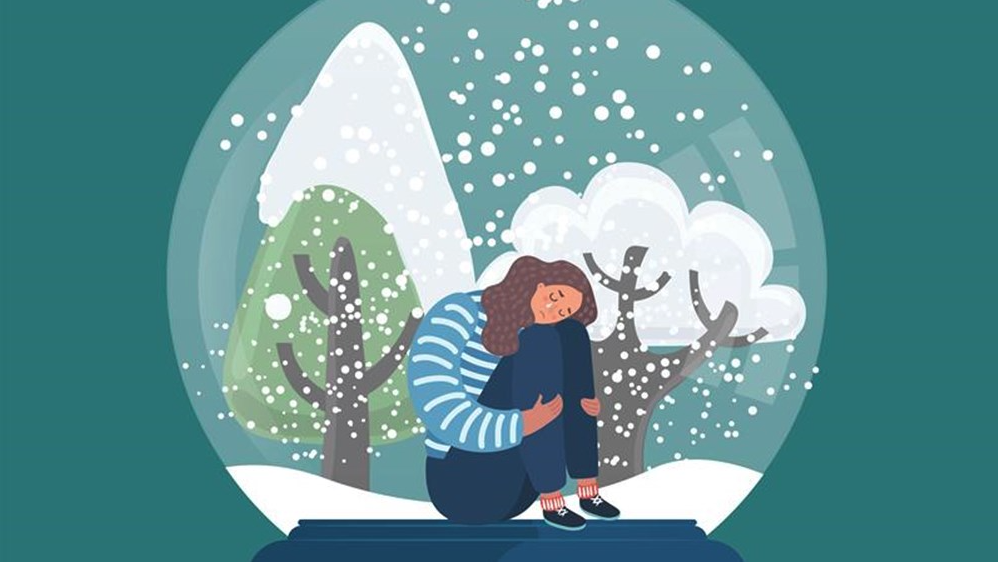
What Is Seasonal Depression?
Seasonal affective disorder is a type of major depression that returns at the same time each year, most
often starting in late fall and easing in spring. According to the American Psychiatric Association, it
affects roughly 5% of adults in the U.S., and symptoms typically last around four months of the year.
Researchers believe shorter days and less sunlight can disrupt your internal body clock and affect brain
chemicals like serotonin and melatonin, which help regulate mood and sleep. That is why many people
notice symptoms soon after daylight saving time ends.
The winter blues are milder and pass. Seasonal depression does not simply pass. It affects work, relationships, and your sense of yourself.
Common Signs of Seasonal Depression
Winter-pattern SAD often looks different from what people expect. Watch for:
• Feeling sad, empty, or hopeless most of the day, nearly every day
• Low energy and heavy fatigue, even after sleeping
• Sleeping much more than usual
• Craving carbohydrates and changes in appetite or weight
• Pulling away from friends, family, and activities
• Difficulty concentrating or making decisions
• Feeling irritable, restless, or weighed down
• Feeling worthless or guilty
If these signs show up for two weeks or more, or if they return every year around the same time, it is
worth talking to a professional. If you ever have thoughts of harming yourself, call or text 988 (the
Suicide & Crisis Lifeline) right away.
Why Seasonal Depression Can Go Unnoticed in Many Families
In many Asian and immigrant households, emotional struggles are rarely named out loud. Low mood
may be described as being tired, having headaches, not sleeping well, or having no appetite. Phrases like
“just push through” or “everyone feels this way in winter” can make it harder to recognize that something deeper is going on.

There can also be added weight in the colder months. Many people are far from family abroad,
anticipating holidays that bring pressure or grief, or carrying responsibilities for others while quietly
running on empty. If this sounds familiar, you are not weak or ungrateful. Your brain and body are
responding to real changes, and you deserve support that understands your background. You can read
more about what makes culturally informed therapy different.
6 Things That Can Help This Season
1. Get light early in the day. Try to spend time outside within an hour or two of waking, even on cloudy
days. A short morning walk is one of the simplest ways to support your body clock.
2. Consider light therapy. Many people use a 10,000-lux light therapy box for about 20 to 30 minutes in
the morning. Talk with your doctor first, especially if you have bipolar disorder or an eye condition.
3. Keep a steady routine. Wake up, eat, and go to bed at consistent times. Depression tends to thrive
when structure disappears.
4. Move your body. Gentle, regular movement supports mood. If you want ideas close to home, our
guide to Maryland nature trails for active mindfulness is a good place to start.
5. Stay connected on purpose. Withdrawing feels natural, but islation deepens low mood. Schedule
one small plan each week, even a short call or a shared meal.
6. Lower the pressure on yourself. You do not have to make this the best holiday season ever. Choose
what matters, and let the rest go.
How Therapy Helps with Seasonal Depression
Self-care helps, but it is not always enough, and you should not have to white-knuckle your way to
spring. Therapy gives you tools and a place to be honest about how you are really doing. Approaches that are commonly used for seasonal depression include cognitive behavioral therapy (CBT), which helps you notice and shift unhelpful thought patterns and re-engage with activities that support your mood.
For people whose low mood is connected to past stress or unprocessed experiences, trauma-informed approaches such as Brainspotting can work below the level of words, which many clients find helpful when emotions are hard to put into language. If your symptoms are severe, your therapist may also encourage you to speak with a physician or psychiatrist about whether medication could help. This is a decision you make together.
Our therapists offer individual therapy in English, Mandarin, Hindi, and other languages, with in-person sessions in Hunt Valley and Bethesda and telehealth available across Maryland. Our Chinese therapy and South Asian therapy services are designed for clients who want to be understood without having to explain their culture first. If you want to understand the difference between ordinary sadness and clinical depression, see our post on why depression is more than sadness.
Frequently Asked Questions
When does seasonal depression usually start?
Most people notice symptoms in late fall or early winter, often soon after daylight saving time ends in early November, and feel better in spring.
Is seasonal depression the same as the winter blues?
No. The winter blues are milder and do not usually disrupt daily life. Seasonal depression is a clinical form of depression that affects your mood, energy, sleep, and functioning.
Can therapy help even if my symptoms only appear in winter?
Yes. Therapy can give you skills and support before and during the hard months, and many people find that starting early makes the season easier to get through.
Does Safe Space accept insurance?
We accept BCBS CareFirst, Cigna, Aetna, JHU/Welfleet, and UHC.
Contact us to confirm your coverage.
You Do Not Have to Wait for Spring If the darker days are weighing on you, reaching out is a strong and practical step. Safe Space Counseling Services is accepting new clients, and we will match you with a therapist who fits your needs, language, and background.