
Depression Is More Than Sadness: What You Need to Know and How Therapy Helps
Depression doesn't always look the way we expect it to.
Sometimes it's the person who still goes to work every day, keeps up appearances, makes everyone else laugh — but comes home and feels completely hollow inside. Sometimes it's the student who's acing every class but can't remember the last time anything felt meaningful. Sometimes it's the parent who's doing everything right but can't shake the feeling that they're just going through the motions.
Depression is one of the most misunderstood mental health conditions — and in communities where emotional struggle is rarely spoken about openly, it can go unnamed and untreated for years.
What Depression Actually Is
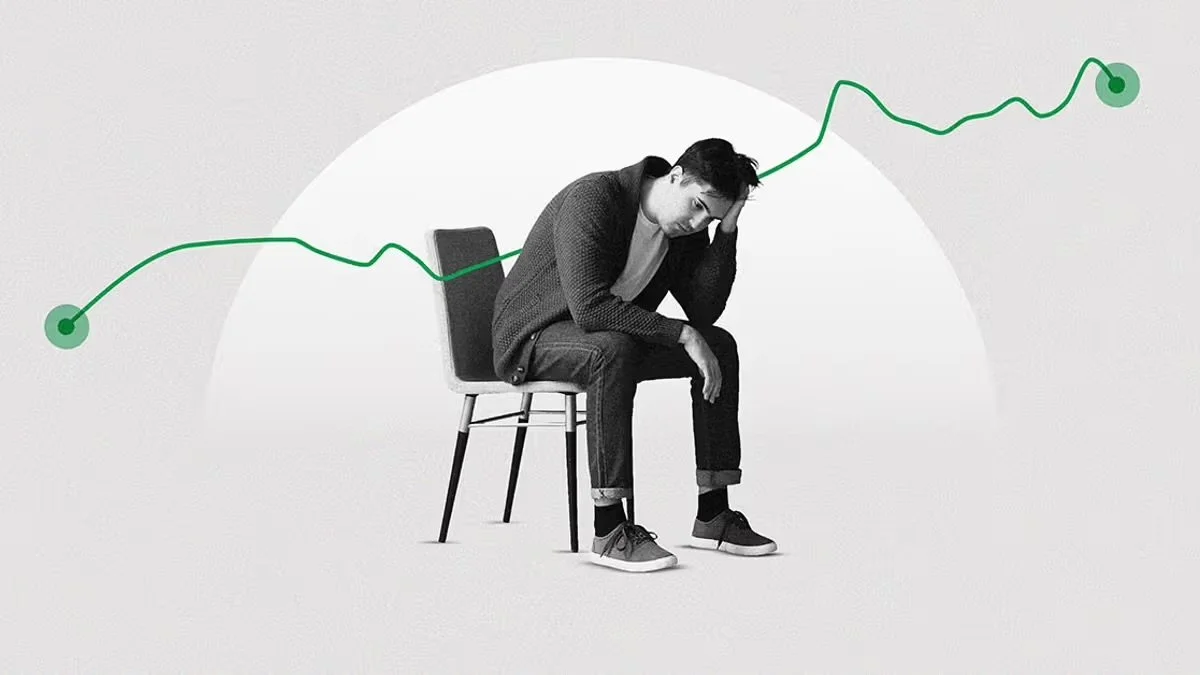
Depression is a medical condition that affects how you think, feel, and function in daily life. It's not a character flaw, a sign of weakness, or something you can simply push through with more effort or positive thinking.
Depression changes your brain chemistry, your sleep, your appetite, your energy, and your ability to experience pleasure. It's not something you chose and it's not something you have to face alone.
Recognizing the Signs of Depression
Depression can show up differently depending on the person, their cultural background, and how long it's been present. Common signs include:
• Persistent feelings of sadness, emptiness, or hopelessness
• Loss of interest in things you used to enjoy
• Changes in sleep — sleeping too much, or not being able to sleep at all
• Low energy, fatigue, or feeling physically heavy and slow
• Difficulty concentrating, making decisions, or remembering things
• Increased irritability or frustration over small things
• Withdrawing from relationships and social activities
• Feelings of worthlessness or excessive guilt
• Physical complaints like headaches or digestive issues without a clear medical cause
For many Asian and immigrant individuals, depression can also manifest as physical symptoms — unexplained body pain, chronic fatigue, or somatic complaints — because emotional distress is often expressed through the body in cultures where talking about feelings is discouraged.
Why Depression Often Goes Unrecognized in Asian Communities
In many Asian families, there simply isn't a cultural script for depression. Mental health struggles may be dismissed as laziness, overthinking, or a failure of discipline. "Just stay busy." "Focus on your work." "Others have it worse."
These messages, however well-intentioned, can make it very difficult to recognize depression for what it is — or to feel like you have permission to ask for help.
There's also the "model minority" pressure: the expectation that Asian Americans are thriving, resilient, high-achieving. Depression can feel especially shameful when it contradicts the image you feel obligated to maintain.
How Therapy for Depression Works
At Safe Space Counseling Services, we approach depression with both clinical expertise and genuine warmth. No session feels clinical or cold — because healing requires feeling safe enough to be honest.
Our therapists use evidence-based approaches tailored to your specific presentation:
• Behavioral activation to gently rebuild engagement with life, starting with small, meaningful actions
• Cognitive Behavioral Therapy (CBT) to identify depressive thought patterns and challenge them with compassion
• Brainspotting to process trauma or deep emotional pain that may be driving your depression
• ACT (Acceptance and Commitment Therapy) to help you reconnect with what matters to you and build a life worth living
We also honor the cultural dimensions of your depression the weight of family expectations, the grief of displacement, the exhaustion of code-switching rather than treating them as irrelevant background noise.
Depression Is Treatable — and You Don't Have to Wait
The most important thing to know about depression is this: it gets better with the right support. Many people wait years before seeking help, often because they hope things will improve on their own, or because they feel like they don't "deserve" support, or because asking for help feels like failure.
None of that is true. You don't need to earn the right to feel better. And waiting rarely helps the sooner you reach out, the sooner things can begin to shift.
Frequently Asked Questions About Depression Therapy
How do I know if what I'm feeling is depression or just going through a hard time?
It's a fair question. Everyone has periods of sadness or low mood that's part of being human. Depression is typically distinguished by its persistence (lasting two weeks or more), its intensity, and how much it interferes with daily life. If you're unsure, the safest step is to talk to a professional. There's no cost to reaching out for a consultation.
Is depression therapy covered by insurance?
Safe Space Counseling Services accepts several major insurance plans including BCBS, CareFirst, Cigna, Aetna, UHC, and JHU/Wellfleet. We recommend contacting your insurer to confirm your specific benefits for outpatient mental health services.
Can depression come back after treatment?
For some people, depression can recur especially following major life stressors or transitions. Therapy not only addresses the current episode but also equips you with tools and self-awareness to recognize early warning signs and respond more quickly if symptoms return.
What if I'm not comfortable talking about my feelings?
You don't have to be comfortable right away that's what therapy is for. Our therapists are skilled at meeting you where you are and moving at a pace that feels manageable. Many clients who were initially reluctant to open up find that the right therapist makes it much easier than they expected.
Ready to Take the First Step?
You don't have to keep carrying this alone. At Safe Space Counseling Services, our licensed therapists are here to walk alongside you with warmth, cultural understanding, and evidence-based care. Whether you're ready to book your first session or just want to learn more, we're here.
📞 Call us at 443-873-0071
📍 9 Schilling Rd, LL1, Hunt Valley, MD 21031
🌐 Book your free consultation at safespacecounselingservices.net
Healing begins with a single conversation. We'd be honored to be a part of yours.