What Makes Culturally Informed Therapy Different — and Why It Matters
There's a moment many people of Asian or immigrant backgrounds describe in their first therapy session. The moment when they realize they're spending more time explaining their culture to their therapist than actually talking about what's hurting them.
Maybe you've been there. You start to share something a conflict with your parents, the pressure of being the "good child," the shame of admitting you're struggling and instead of understanding, you get a gentle blank stare. Then the questions begin. Questions that make you feel like a case study, not a human being.
That experience is more common than it should be. And it's precisely why culturally informed therapy exists.
What Is Culturally Informed Therapy?
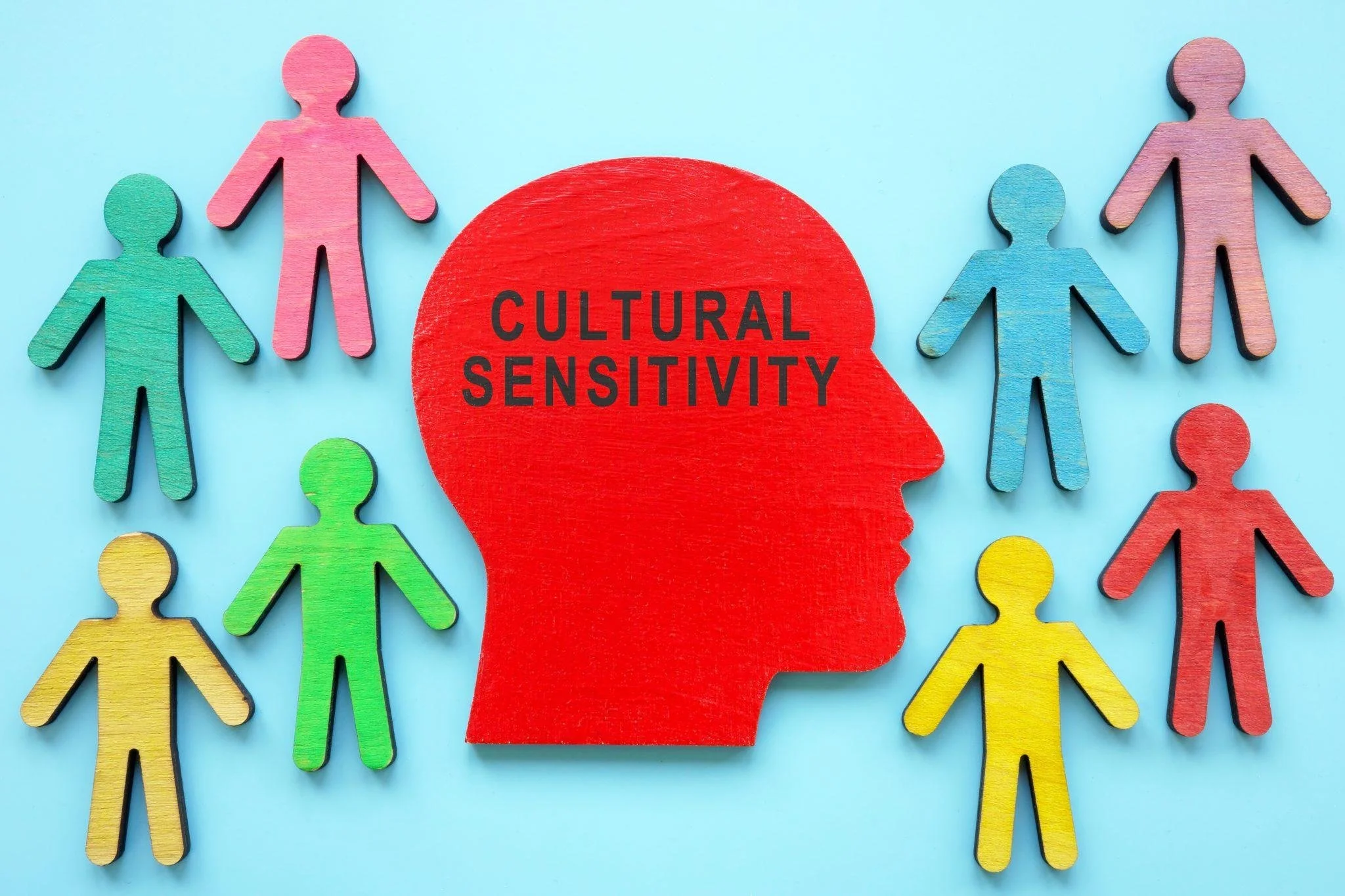
Culturally informed therapy — sometimes called culturally responsive or culturally competent therapy is mental health care that honors your background as inseparable from your mental health. It recognizes that your culture, family dynamics, immigration history, and lived experiences aren't just context. They are central to who you are and how you heal.
A culturally informed therapist doesn't just read about your background in a textbook. They integrate that understanding into every conversation, every intervention, and every treatment decision. They understand the things you shouldn't have to explain.
What This Looks Like in Practice
For many Asian and immigrant clients, culturally informed therapy means:
• Not having to define "filial piety" before talking about family conflict
• Being understood when you say you can't just "set a boundary" with your parents — it's not that simple
• Discussing the guilt of seeking therapy in a family culture where mental health is taboo
• Exploring your identity without your culture being treated as a problem to overcome
• The option to speak in your first language Mandarin, Hindi, Odia, or Kannada — so you can express yourself fully
Why It Matters for Asian and Immigrant Communities
Mental health stigma runs deep in many Asian communities. Seeking therapy can feel like admitting weakness, betraying your family's values, or airing private pain in public. These aren't irrational fears they're rooted in real cultural dynamics.
At the same time, the pressures many Asian Americans and immigrants face are distinct and significant. The weight of being a first-generation success story. The loneliness of code-switching between two worlds. The trauma of immigration, discrimination, and being told explicitly or implicitly that you don't fully belong.
General therapy approaches often weren't designed with these experiences in mind. And while any good therapist can help, there's something uniquely powerful about working with someone who already gets it who nods in recognition instead of asking for clarification.
The Difference at Safe Space Counseling Services
At Safe Space Counseling Services in Maryland, cultural understanding isn't an add-on. It's woven into everything we do.
Our team includes Asian-led therapists who have lived the immigrant and bicultural experience themselves. We offer sessions in Mandarin, Hindi, Odia, and Kannada. We specialize in the unique pressures of growing up Asian in America — the intergenerational conflicts, the identity struggles, the emotional weight of expectations you never chose.
We use evidence-based approaches including Brainspotting, EMDR, the Gottman Method, and Acceptance and Commitment Therapy (ACT), all adapted to honor your cultural context.
We're not here to tell you who to be. We're here to help you figure that out for yourself, in a space that feels genuinely safe.
Common Questions About Culturally Informed Therapy
Is culturally informed therapy only for people of Asian descent?
Not at all. Culturally informed therapy benefits anyone whose cultural background plays a significant role in their mental health which is virtually everyone. However, our practice specializes in serving Asian, South Asian, and immigrant clients in Maryland who often find limited options in traditional therapy settings.
Do I need to speak another language to benefit from this approach?
No. Culturally informed therapy is about understanding, not just language. That said, if you're more comfortable expressing deep emotions in Mandarin, Hindi, Odia, or Kannada, our multilingual therapists are here for exactly that.
What if I'm not sure I'm dealing with "cultural issues" — I just feel anxious or depressed?
That's completely okay. You don't need to frame your struggles in cultural terms to work with us. Our therapists treat anxiety, depression, trauma, ADHD, and a full range of mental health concerns with warmth and clinical expertise. The cultural understanding is simply part of how we show up for you.
How is this different from regular therapy?
The foundation of culturally informed care is the same good therapy: listening, evidence-based techniques, and a genuine therapeutic relationship. The difference is that a culturally informed therapist doesn't treat your background as separate from your mental health. They recognize that your healing happens within the context of your whole life including where you come from.
Ready to Take the First Step?
You don't have to keep carrying this alone. At Safe Space Counseling Services, our licensed therapists are here to walk alongside you with warmth, cultural understanding, and evidence-based care. Whether you're ready to book your first session or just want to learn more, we're here.
📞 Call us at 443-873-0071
📍 9 Schilling Rd, LL1, Hunt Valley, MD 21031
🌐 Book your free consultation at safespacecounselingservices.net
Healing begins with a single conversation. We'd be honored to be a part of yours.